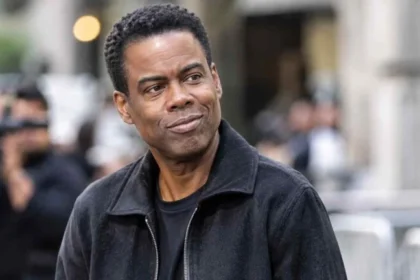



Paul Werdel is an American journalist and digital media professional known for helping major news organizations adapt to changing technology.
- Quick Bio Table
- Early Life and Background
- Career and Achievements
- Early Work in Broadcast Journalism
- Work With Al Jazeera English
- Experience at Talking Points Memo
- Career at The New York Times
- Supporting the Mobile News Era
- Why His Career Matters
- Relationship
- Personal Life Today
- Net Worth and Lifestyle
- Conclusion
- FAQs
Although many people recognize him as the husband of PBS NewsHour co-anchor Amna Nawaz, his professional career stands on its own. He has worked across broadcast journalism, digital publishing, newsroom strategy, and mobile product development.
Werdel’s career includes roles at BBC World News, Al Jazeera English, Talking Points Memo, and The New York Times. His work reflects a major shift in modern journalism: the move from traditional newsrooms toward digital-first publishing.
Unlike many media personalities, Werdel maintains a private public profile. He rarely discusses his personal life and generally stays outside the spotlight.
However, his career shows how journalists can influence news without appearing on camera. His experience combines editorial judgment with digital product leadership, making him an important behind-the-scenes figure in modern media.
Quick Bio Table
| Category | Details |
|---|---|
| Full Name | Paul Werdel |
| Birth Year | 1979 |
| Age | 45–46 |
| Nationality | American |
| Profession | Journalist and digital media professional |
| Education | University of Maryland |
| Known For | Digital journalism and media product leadership |
| Notable Employers | BBC World News, Al Jazeera English, TPM Media, The New York Times |
| Spouse | Amna Nawaz |
| Marriage | Reportedly married in 2007 |
| Children | Two daughters |
| Residence | Washington, D.C. area, reportedly |
| Net Worth | $400,000 to $5 million |
Early Life and Background
Paul Werdel has kept much of his early life private. Public information about his birth date, childhood, parents, and hometown remains limited.
This privacy makes it difficult to create a complete account of his early years. Therefore, details not confirmed through reliable public sources should be treated cautiously.
What is publicly known is that Werdel studied journalism at the University of Maryland. He reportedly graduated in 2002 with a degree in journalism.
During his time at the university, he gained practical experience in broadcast media. He worked with the university’s television operations and developed skills connected to news production.
These early experiences likely helped prepare him for a career in professional journalism.
His education also placed him in an industry undergoing rapid change. During the early 2000s, newspapers and broadcasters began expanding their online operations.
As a result, journalists increasingly needed both editorial knowledge and digital skills. Werdel later built a career that connected these two areas.
Education and Early Media Experience
Werdel’s academic background focused on journalism and communication. His work during college reportedly included responsibilities connected to television production.
After completing his degree, he continued developing professional experience in journalism and media education.
His early career helped establish several strengths:
- News production
- Editorial planning
- Broadcast journalism
- Digital publishing
- Media technology
- Product development
These skills became increasingly valuable as audiences moved from print and television toward smartphones and online platforms.
Career and Achievements
Paul Werdel’s career covers several important stages in modern journalism. He worked for international broadcasters, digital news organizations, and one of America’s most influential newspapers.
His professional journey shows how journalism evolved during the growth of online news.
Early Work in Broadcast Journalism
Werdel began building experience in broadcast media after completing his university education.
He later worked with BBC World News, an international news organization known for global reporting.
The role gave him exposure to large-scale news production. It also allowed him to work within an organization serving audiences across different countries.
Broadcast journalism requires speed, accuracy, and strong editorial coordination. These skills remained important throughout Werdel’s career.
His experience at the BBC also provided a foundation for later work involving international news and digital media.
Work With Al Jazeera English
Werdel also worked with Al Jazeera English during its growth as a global news network.
The organization expanded its international reach by offering news coverage to English-speaking audiences worldwide.
His work there added to his experience with global journalism and digital news operations.
At the time, media companies were increasingly focused on websites, mobile platforms, and online audiences.
Newsrooms needed professionals who understood both journalism and technology. Werdel’s background made him well suited to this changing environment.
Experience at Talking Points Memo
Werdel later worked with Talking Points Memo, commonly known as TPM.
TPM became known for its digital-first approach to political journalism. Unlike traditional newspapers, the organization developed around online publishing.
Working in a digital newsroom gave Werdel experience with fast-moving news and audience-focused publishing.
Digital publications must respond quickly while maintaining editorial standards. They also need to understand how readers discover and consume information online.
This experience helped strengthen Werdel’s understanding of modern media products.
Career at The New York Times
One of the most significant parts of Werdel’s career was his work at The New York Times.
He joined the organization during a period of major digital transformation. News companies were adapting to smartphones, social media, mobile applications, and changing reader habits.
Werdel reportedly held several positions involving digital platforms and product strategy.
His roles included:
- Assistant Editor for Digital Platforms
- Senior Editor of Platforms
- Senior Product Manager for Mobile
- Product Director
These positions reflected a gradual move from traditional editorial work toward product leadership.
As a product leader, Werdel helped connect newsroom needs with technology development.
Digital products influence how readers access stories. They also affect article presentation, mobile usability, notifications, subscriptions, and audience engagement.
Therefore, product strategy became an important part of modern journalism.
Werdel’s work reportedly focused on improving the digital experience for readers, especially on mobile devices.
Supporting the Mobile News Era
The growth of smartphones changed the news industry.
Readers no longer depended only on newspapers, television broadcasts, or desktop websites. Instead, many people began receiving news through mobile applications.
This shift required news organizations to rethink how they presented information.
Mobile journalism needed:
- Faster page loading
- Clearer article layouts
- Easy navigation
- Reliable notifications
- Stronger audience engagement
- Better integration across platforms
Werdel worked during this important transition.
His experience combined editorial understanding with product management. That combination helped support digital innovation inside major news organizations.
Why His Career Matters
Paul Werdel may not be a public-facing journalist, but his work reflects an important change in the media industry.
Modern journalism depends on more than reporters and anchors. It also requires editors, developers, designers, product managers, and digital strategists.
These professionals help determine how journalism reaches audiences.
Werdel’s career demonstrates the value of working across different disciplines.
His professional identity includes:
- Journalism
- Editorial leadership
- Digital strategy
- Mobile product development
- Newsroom innovation
This combination helped him contribute to journalism from behind the scenes.
Relationship
Paul Werdel is married to Amna Nawaz, an American broadcast journalist and co-anchor of PBS NewsHour.
Nawaz has built a prominent career covering national politics, international affairs, and major public events.
She previously worked with NBC News and ABC News before joining PBS NewsHour.
Public reports indicate that Werdel and Nawaz married in 2007. However, the couple has shared relatively few details about their relationship.
Their marriage has attracted public interest because both have careers in journalism.
Despite working in the same broad industry, they developed different professional paths.
Nawaz became a highly visible television journalist. Werdel focused primarily on digital media and newsroom technology.
Their careers demonstrate two different forms of influence within journalism.
A Partnership Built Around Journalism
Both Werdel and Nawaz understand the demands of the news industry.
Journalism can involve irregular schedules, travel, breaking news, and demanding deadlines.
A shared understanding of the profession may have helped them manage those challenges.
However, the couple generally keeps personal matters private.
They rarely discuss family life in detail. This approach allows them to maintain boundaries despite public interest.
Personal Life Today
Paul Werdel is known for maintaining a low public profile.
He does not regularly appear in entertainment media. He also appears to avoid using public attention to promote his personal life.
Werdel and Nawaz have two daughters. The family reportedly lives in the Washington, D.C. area.
The couple has chosen to protect much of their children’s privacy.
As a result, limited information is publicly available about their daily family life.
Reports have suggested that Werdel stepped away from a full-time professional role to focus more heavily on parenting.
However, detailed information about his current work and responsibilities remains limited.
His decision reportedly reflected a commitment to family life during an important period in his children’s development.
Privacy in a Public Industry
Many journalists maintain public profiles because their work depends on visibility.
Werdel has taken a different approach.
He is recognized professionally for his media experience rather than public appearances.
This privacy also limits the amount of verified information available about him.
For example, public sources do not clearly confirm:
- His exact date of birth
- His current employment status
- His current professional projects
- His personal interests
- His private financial details
Responsible biographies should avoid filling these gaps with speculation.
Net Worth and Lifestyle
Paul Werdel’s net worth has not been publicly disclosed.
Several online websites publish estimated figures. However, these numbers are not supported by verified financial records.
Therefore, no precise net worth should be presented as confirmed.
Werdel earned professional experience through senior roles at major media organizations. His career included journalism, digital strategy, and product leadership.
These positions may have provided a stable professional income. However, salary information has not been publicly released.
His lifestyle appears private and family-centered.
Public information does not suggest that he pursues celebrity attention or displays wealth publicly.
Instead, his public image is associated with professional work, family life, and digital journalism.
Financial Information at a Glance
| Financial Category | Public Information |
| Net Worth | $400,000 to $5 million |
| Salary | Not publicly available |
| Major Income Source | Journalism and digital media roles |
| Assets | Not publicly disclosed |
| Lifestyle | Private and family-focused |
| Online Estimates | Unverified |
Any reported net worth should be considered an estimate rather than a confirmed fact.
Conclusion
Paul Werdel built a meaningful career during one of journalism’s biggest technological transformations.
His work covered broadcast media, international news, digital publishing, and mobile product development.
Although he is widely known as Amna Nawaz’s husband, his professional achievements extend beyond that connection.
His experience at BBC World News, Al Jazeera English, TPM Media, and The New York Times demonstrates his ability to adapt to changing media environments.
Werdel helped connect journalism with digital technology at a time when news organizations were changing rapidly.
He also remains an example of how influential media professionals can work outside public view.
Today, Paul Werdel continues to attract interest because of his career, marriage, and private approach to public life.
His story shows that modern journalism depends on both visible reporters and the professionals shaping news behind the scenes.
FAQs
1. Who is Paul Werdel?
Paul Werdel is an American journalist and digital media professional. He is known for working with major news organizations and for his marriage to PBS journalist Amna Nawaz.
2. Where did Paul Werdel work?
He worked with organizations including BBC World News, Al Jazeera English, Talking Points Memo, and The New York Times.
3. What was Paul Werdel’s role at The New York Times?
Werdel held several digital leadership positions. His work included digital platforms, mobile product development, and product strategy.
4. Who is Paul Werdel married to?
Paul Werdel is married to Amna Nawaz, a journalist and co-anchor of PBS NewsHour.
5. Does Paul Werdel have children?
Yes. Public information indicates that Paul Werdel and Amna Nawaz have two daughters.
6. What is Paul Werdel’s net worth?
His net worth has not been publicly disclosed. Online estimates are unverified and should not be treated as confirmed.